
Call us now :07313726422
 Send Inquiry
 Send Inquiry
Inorganic Chemicals
Inorganic Chemicals Specification
- Shape
- Crystalline/Granular/Powder
- HS Code
- 2827 (Example for inorganic chemicals; varies by specific compound)
- Density
- 1.527 Gram per cubic centimeter(g/cm3)
- Ph Level
- Acidic (pH typically 5.5-6.5 in solution)
- Solubility
- Highly soluble in water
- Shelf Life
- 2 years or as specified on packaging
- Usage
- For laboratory use, industrial manufacture, research, and chemical analysis
- Refractive Rate
- Not applicable or N/A
- Properties
- High purity, stable under normal conditions, non-combustible
- Molecular Weight
- 53.49 g/mol (example: Ammonium Chloride)
- CAS No
- Varies (e.g., common inorganic chemicals such as Ammonium Chloride: 12125-02-9)
- EINECS No
- 235-186-4 (Example: Ammonium Chloride)
- Storage
- Store in a cool, dry, well-ventilated area away from incompatible substances
- Smell
- Odorless
- Ingredients
- Pure inorganic compound, example: Ammonium Chloride
- Grade
- Industrial/Technical/Analytical
- Melting Point
- 338 °C (example: Ammonium Chloride)
- Purity
- 99% minimum (varies by compound)
- Molecular Formula
- NH4Cl (example: Ammonium Chloride)
- Physical Form
- Solid
- Product Type
- Inorganic Chemical
- Appearance
- White crystalline powder or colorless solid
- Application
- Used in pharmaceuticals, fertilizers, laboratories, metal processing, and textiles
- Taste
- Saline (for some, e.g., Ammonium Chloride)
- Poisonous
- Non-poisonous under standard handling procedures
- Structural Formula
- Refer to molecular formula representation (e.g., for Ammonium Chloride: NH4Cl)
- Packaging Type
- HDPE bags/drums, sealed containers
- Colour
- White (for most inorganic chemicals)
- Compatibility
- Stable with most inorganic compounds, avoid strong acids and bases
- Particle Size
- Varied (fine powder to granules, typically <500 microns)
- Manufacturing Process
- Synthesized via chemical reaction in controlled environment
- Regulatory Status
- Compliant with REACH and other local regulations
- Boiling Point
- 520 C (sublimes without melting, example for Ammonium Chloride)
- Shelf Conditions
- Keep tightly closed, avoid moisture exposure
- Transport Conditions
- General cargo, avoid high humidity and temperature
- Hazard Class
- Non-hazardous (may vary depending on compound)
- UN Number
- Not regulated (varies by chemical)
- Eco Toxicity
- Low environmental toxicity
- Safety Precautions
- Wear protective clothing, avoid inhalation and contact with skin or eyes
- Free Flowing
- Yes, suitable for industrial dosing systems
About Inorganic Chemicals
We are ranked amongst the most trusted firms deeply engaged in offering Inorganic Chemicals in various packaging options at the best economic prices. The offered chemicals are widely used in various chemical industries that include catalysts, pigments, medicine, fuel, surfactants, coatings, and agriculture. They are the one that do not have any carbon molecule in their composition and are suitable for a wide range of such applications. Inorganic Chemicals also play an important role in the study of environmental chemistry for understanding the working of uncontaminated environment.
Features:
-
Specific high or low electrical conductivity properties
-
High melting points
-
Multi colored and crystal shaped
High-Quality Inorganic Chemicals for Diverse Industries
Sourced and manufactured in India, our inorganic chemicals meet industrial, technical, and analytical grade standards. Each batch undergoes rigorous quality control to ensure high purity and consistency, making them ideal for use in pharmaceuticals, fertilizers, laboratories, textiles, and metal processing. Their physical properties and reactivity are optimized for modern manufacturing needs, providing a versatile solution for diverse sectors.
Safe Handling and Storage Guidelines
To maintain the integrity and effectiveness of our inorganic chemicals, store them in a cool, dry, and well-ventilated location, tightly sealed to prevent moisture exposure. Adhering to these conditions, along with standard protective clothing and hazard-avoidance practices, ensures safe handling during transport, storage, and use. Our products are non-combustible, non-poisonous, and stable when kept away from strong acids and bases.
FAQs of Inorganic Chemicals:
Q: How should inorganic chemicals like Ammonium Chloride be stored for optimal shelf life?
A: Inorganic chemicals should be stored in tightly closed HDPE bags or drums in a cool, dry, and well-ventilated area. Keep the packages away from moisture, strong acids, and bases to preserve quality and extend the typical two-year shelf life.Q: What are the primary industrial applications of these inorganic chemicals?
A: These compounds are widely utilized in pharmaceuticals, fertilizers, laboratories, textiles, metal processing, and chemical analysis. Their high purity and stable properties make them suitable for research, industrial manufacturing, and laboratory usage.Q: When is it necessary to use protective measures when handling these chemicals?
A: Protective clothing, gloves, and eye protection should be used whenever handling these chemicals to avoid inhalation or direct contact, even though they are classified as non-hazardous and non-poisonous under standard conditions.Q: Where are these inorganic chemicals manufactured and supplied from?
A: Our inorganic chemicals are produced, exported, and supplied from India, adhering to strict quality controls and international regulatory standards like REACH to ensure consistent and reliable products.Q: What process is followed in the manufacturing of such high-purity inorganic compounds?
A: These chemicals are synthesized via controlled chemical reactions in monitored environments, ensuring consistent quality, particle size, and high purity. Each batch is tested to meet rigorous industrial and analytical grade criteria.Q: How can these inorganic chemicals benefit my industrial operations?
A: With their high purity, stable properties, and compatibility with most inorganic compounds, these chemicals are free flowing and well-suited for modern dosing systems, improving efficiency and reliability in various manufacturing processes.
Tell us about your requirement

Price:
Quantity
Select Unit
- 50
- 100
- 200
- 250
- 500
- 1000+
Additional detail
Mobile number
Email

More Products in Industrial Chemical Category
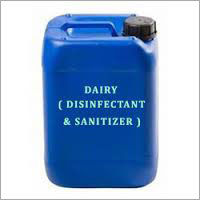
Disinfectants & Sanitizers for Dairy
Ingredients : Quaternary Ammonium Compounds, Nonionic Surfactants, Stabilizers, Emulsifiers, Water
Smell : Other, Mild, characteristic
Storage : Other, Store in original container in cool, dry place away from direct sunlight
Molecular Weight : Mixture
Structural Formula : N/A (mixture)
Physical Form : Liquid
Amyl Chemicals
Ingredients : Primarily comprised of namyl alcohol
Smell : Other, Strong almondlike aroma
Storage : Store in a cool dry place away from direct sunlight, Other
Molecular Weight : 116.20 g/mol
Structural Formula : CCCCCOH
Physical Form : Liquid

Paints Chemicals
Ingredients : Pigments, binder, solvent, additives
Smell : Other, Mild solvent odor
Storage : Other, Store in cool, dry, and ventilated area, tightly sealed containers
Molecular Weight : Mixture
Structural Formula : Mixture
Physical Form : Liquid
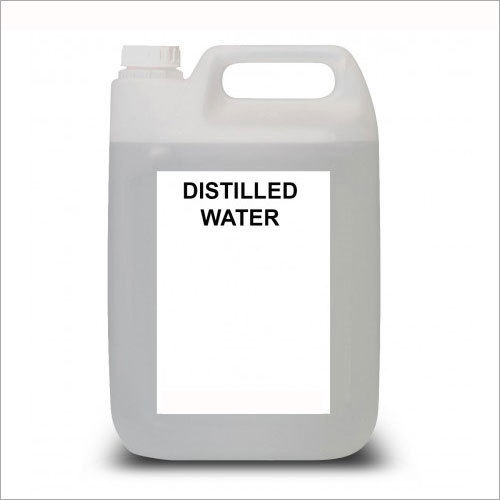
Distilled Chemicals
Ingredients : Various chemical compositions depending on required purity
Smell : Other, Odorless
Storage : Other, Store in tightly sealed containers, away from contaminants
Molecular Weight : Depends on specific chemical
Structural Formula : Varies with chemical type
Physical Form : Liquid


 Send Inquiry

54, JL & Part of 55 N, Industrial Area, Maxi Road,Ujjain - 456010, Madhya Pradesh, India

Mr. Saurabh Maru
(Partner)
Mobile :07313726422
 Send Inquiry
Developed and Managed by Infocom Network Private Limited.
 English
 Spanish
 French
 German
 Italian
 Chinese (Simplified)
 Japanese
 Korean
 Arabic
 Portuguese