
Call us now :07313726422
 Send Inquiry
 Send Inquiry
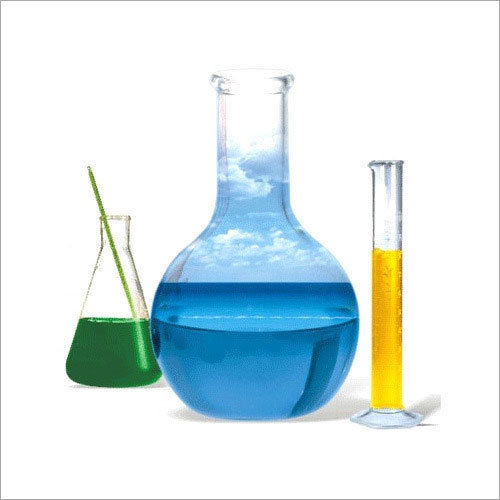
Distilled Chemicals
Distilled Chemicals Specification
- Product Type
- Distilled Chemical
- Storage
- Store in tightly sealed containers, away from contaminants
- Ph Level
- 7 (neutral, if water-based)
- HS Code
- 28289090
- Molecular Weight
- Depends on specific chemical
- Density
- 1.0 Gram per cubic centimeter(g/cm3)
- Refractive Rate
- ~1.33 (for distilled water)
- Smell
- Odorless
- Taste
- Tasteless
- Appearance
- Transparent
- Physical Form
- Liquid
- Molecular Formula
- Varies by specific chemical
- Purity
- 99.9%
- Ingredients
- Various chemical compositions depending on required purity
- Grade
- Analytical/Laboratory Grade
- Melting Point
- Depends on chemical
- Usage
- Used where high purity chemicals are essential
- Solubility
- Mixes with water
- Shelf Life
- Up to 36 months if properly stored
- Properties
- High purity, clear and colorless, free from visible impurities
- Application
- Laboratory, pharmaceutical, analytical procedures
- Poisonous
- Non-poisonous
- Structural Formula
- Varies with chemical type
- Color
- Colorless
- Hazard Class
- Not Classified as Hazardous (may vary with chemical type)
- Conductivity
- Low (for distilled water)
- Packaging Type
- Bottles, drums, or as specified
- Ecotoxicity
- Minimal, depends on chemical
- Odor Threshold
- None detected
- Flammability
- Non-flammable
- Boiling Point
- Varies by chemical (e.g., Distilled Water: 100C)
Distilled Chemicals About
We are ranked amongst the most trusted firms deeply engaged in offering Distilled Chemicals at the best market prices. The offered chemicals are the purified form of chemicals that are obtained by heating and condensing them. They are heated and vaporized, and then the resulting liquid is cooled, condensed and collected. These chemicals are processed with the aid of modern techniques and are tested thoroughly on various quality parameters. Distilled Chemicals are widely used for various applications in different industries as well as for cooling off the engines of airplanes at the time of their take-off. These chemicals are used for performing perform various tests & experiments in various biological and chemical laboratories.
Key points:
-
Extended shelf life
-
Accurate composition
-
Safe packaging
Exceptional Purity and Reliability
Distilled chemicals undergo rigorous purification processes, resulting in products that are virtually free from visible contaminants. This assures consistent and reliable results, especially in laboratory and analytical settings where even trace impurities can compromise experiments or product formulations.
Versatile Applications in Laboratories and Industry
Thanks to their high purity and neutral properties, distilled chemicals are vital in laboratories, pharmaceuticals, and various analytical procedures. Their solubility with water and lack of hazardous classifications also make them suitable for a broad range of scientific and industrial uses.
Safe Storage and Long Shelf Life
Distilled chemicals are packaged securely in bottles or drums and should be stored in tightly sealed containers, away from contaminants. Proper storage can extend their shelf life up to 36 months, maintaining their quality and effectiveness for future use.
FAQs of Distilled Chemicals:
Q: How are distilled chemicals typically used in laboratory or pharmaceutical settings?
A: Distilled chemicals are used in environments where high purity is essential. Their primary functions include preparing solutions, diluting samples, analytical testing, and manufacturing pharmaceutical products. Their purity ensures experimental accuracy and product safety.Q: What benefits do distilled chemicals offer compared to non-distilled alternatives?
A: Distilled chemicals provide high purity and minimal contaminants, reducing the risk of unwanted reactions or interference in sensitive procedures. This ensures reliable and reproducible results, which is especially critical in laboratories and pharmaceutical manufacturing.Q: Where should distilled chemicals be stored to maintain their quality?
A: Store distilled chemicals in tightly sealed containers, positioned away from potential sources of contamination. A clean, dry, and temperature-controlled environment is ideal for preserving their purity and extending shelf life up to 36 months.Q: What is the process by which distilled chemicals are made?
A: Distilled chemicals are produced using distillation, a process that involves heating the liquid to create vapor and then condensing it back into a pure liquid. This separates the desired chemical from impurities based on differences in boiling points, resulting in a highly purified product.Q: When should you use distilled chemicals instead of regular chemicals?
A: Distilled chemicals are recommended whenever high purity is necessary, such as in analytical tests, laboratory work, and pharmaceutical applications. Using distilled versions minimizes contamination risks that could compromise test results or product quality.Q: What type of packaging is available for distilled chemicals?
A: Depending on volume and user needs, distilled chemicals are available in bottles, drums, or other specified containers. This allows flexibility for both small laboratory use and bulk industrial applications.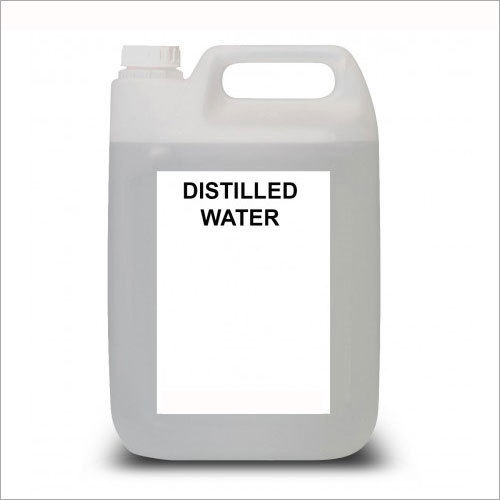
Tell us about your requirement

Price:
Quantity
Select Unit
- 50
- 100
- 200
- 250
- 500
- 1000+
Additional detail
Mobile number
Email

More Products in Industrial Chemical Category
Defoamer Chemicals
Melting Point : 50C to 40C
Molecular Formula : (C2H6OSi)n
Grade : Industrial Grade
Ingredients : Polydimethylsiloxane, emulsifiers, carrier fluid
Purity : 99%
Appearance : Milky white viscous liquid
Inorganic Chemicals
Melting Point : 338 C (example: Ammonium Chloride)
Molecular Formula : NH4Cl (example: Ammonium Chloride)
Grade : Industrial/Technical/Analytical
Ingredients : Pure inorganic compound, example: Ammonium Chloride
Purity : 99% minimum (varies by compound)
Appearance : White crystalline powder or colorless solid
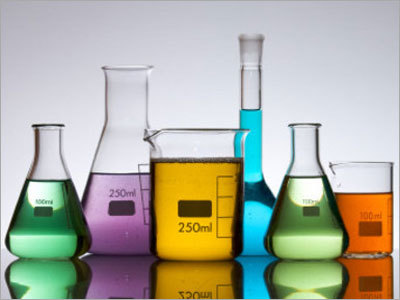
Specialty Chemicals
Melting Point : 94 C
Molecular Formula : C3H6O
Grade : Industrial Grade
Ingredients : Propanone
Purity : 99%
Appearance : Colorless
Amyl Chemicals
Melting Point : 77C
Molecular Formula : C7H16O
Grade : Industrial grade
Ingredients : Primarily comprised of namyl alcohol
Purity : 99.5%
Appearance : Colorless to pale yellow liquid


 Send Inquiry

54, JL & Part of 55 N, Industrial Area, Maxi Road,Ujjain - 456010, Madhya Pradesh, India

Mr. Saurabh Maru
(Partner)
Mobile :07313726422
 Send Inquiry
Developed and Managed by Infocom Network Private Limited.
 English
 Spanish
 French
 German
 Italian
 Chinese (Simplified)
 Japanese
 Korean
 Arabic
 Portuguese