
Call us now :07313726422
 Send Inquiry
 Send Inquiry
n-Amyl Alcohol
n-Amyl Alcohol Specification
- Properties
- Colorless liquid with a strong odor; miscible with most organic solvents, slightly soluble in water
- EINECS No
- 200-752-1
- Storage
- Store in a cool, well-ventilated area away from sources of ignition
- Appearance
- Clear, colorless liquid
- HS Code
- 29051900
- Solubility
- Slightly soluble in water, soluble in ethanol and ether
- Density
- 0.811 Gram per cubic centimeter(g/cm3)
- Poisonous
- No, but harmful if swallowed or inhaled
- Shelf Life
- 2 years under recommended storage conditions
- Usage
- Industrial solvent, chemical intermediate, manufacturing flavors and fragrances
- CAS No
- 71-41-0
- Molecular Weight
- 88.15 g/mol
- Ingredients
- n-Amyl Alcohol (1-pentanol)
- Application
- Used as a solvent, in organic synthesis, as a flavoring agent, and in the production of esters
- Product Type
- Industrial Chemical
- Structural Formula
- CH3(CH2)4OH
- Molecular Formula
- C5H12O
- Melting Point
- -78C
- Purity
- 99%
- Refractive Rate
- n20/D 1.4101.411
- Shape
- Liquid
- Physical Form
- Liquid
- Taste
- Characteristic alcoholic
- Ph Level
- Neutral (approximately 7)
- Grade
- Industrial Grade
- Smell
- Strong, penetrating odor
- Environmental Hazards
- May cause long-lasting harmful effects to aquatic life
- Transport Information
- UN Number 1105
- Packing Group
- III
- Synonyms
- 1-Pentanol, Amyl alcohol, Pentan-1-ol
- Viscosity
- 3.6 mPas at 20C
- Boiling Point
- 137.8C
- Flash Point
- 46C (closed cup)
- Precautionary Statements
- Keep away from heat/sparks/open flames/hot surfaces. Use explosion-proof equipment.
- Stability
- Stable under normal temperature and pressure
- Hazard Statements
- H226: Flammable liquid and vapor. H302: Harmful if swallowed.
- Vapor Pressure
- 4 mmHg at 20C
- Auto-Ignition Temperature
- 300C
- Hazard Class
- 3 (Flammable Liquid)
About n-Amyl Alcohol
We are counted among the noteworthy manufacturers, exporters, and suppliers of high-quality n-Amyl Alcohol. The offered product is an alcohol that has five carbon atoms with the molecular formula C5H11OH. It is manufactured using high-quality raw material with the aid of modern techniques as well as is tested thoroughly on various quality and safety parameters. n-Amyl Alcohol is mainly prepared by the fractional distillation of fusel oil. This alcohol is insoluble in water and is widely used as solvent for various applications.
Features:
-
Colorless liquid
-
Has very unpleasant smell
-
Flammable in nature
Key Applications of n-Amyl Alcohol
n-Amyl Alcohol serves versatile roles in a variety of industries. It is extensively used as a solvent in paints, coatings, and inks, supports organic synthesis as an intermediate, and is crucial in manufacturing esters for flavors and fragrances. As a flavoring agent, it enhances certain food and beverage profiles when used appropriately and within regulatory guidelines. Its compatibility with many organic solvents broadens its industrial utility.
Handling and Storage Guidelines
Proper storage of n-Amyl Alcohol is critical to ensure safety and product stability. Store the liquid in tightly closed containers in a cool, well-ventilated area, removed from heat sources, open flames, and sparks. Use only explosion-proof equipment and take precautions to avoid inhalation or ingestion, as the substance may be harmful if swallowed. Follow all hazard and precautionary statements to minimize risk.
Physical and Chemical Characteristics
n-Amyl Alcohol is a clear, colorless liquid with a pronounced alcoholic odor and a characteristic taste. It possesses a moderate density (0.811 g/cm), exhibits slight water solubility, and is fully miscible with ethanol and ether. This compound is stable under normal temperatures and pressures, making it suitable for industrial processes, provided all flammable liquid protocols are followed.
FAQs of n-Amyl Alcohol:
Q: How is n-Amyl Alcohol typically used in industry?
A: n-Amyl Alcohol is primarily utilized as a solvent for paints, coatings, and inks, and as a chemical intermediate in organic synthesis. It is also employed in manufacturing esters for flavors and fragrances, and as a flavoring agent in controlled amounts.Q: What are the recommended storage conditions for n-Amyl Alcohol?
A: Store n-Amyl Alcohol in tightly sealed containers, in a cool and well-ventilated area, away from heat, sparks, or open flames. Use explosion-proof equipment and ensure the storage environment complies with its hazard class as a flammable liquid.Q: What precautions should be taken when handling n-Amyl Alcohol?
A: When handling n-Amyl Alcohol, avoid sources of ignition and use explosion-proof equipment. Wear appropriate protective gear to prevent inhalation and ingestion, as it is harmful if swallowed or inhaled. Avoid environmental release to protect aquatic life.Q: Where is n-Amyl Alcohol most commonly applied?
A: n-Amyl Alcohol is widely used in industrial settings for solvent applications, chemical synthesis, and in the production of flavors and fragrances. Its versatility makes it valuable in chemical, pharmaceutical, and food industries under regulated conditions.Q: What are the benefits of using n-Amyl Alcohol as a solvent?
A: n-Amyl Alcohol offers excellent solvency for many organic compounds, improving formulation and production efficiency in diverse industries. Its miscibility with organic solvents enhances its effectiveness in industrial and laboratory applications.Q: When does n-Amyl Alcohol pose the highest risk?
A: Maximum risk occurs when n-Amyl Alcohol is exposed to heat, open flames, or sparks, given its low flash point (46C) and flammable nature. Proper storage and handling greatly reduce the risk of ignition or hazardous exposure.
Tell us about your requirement

Price:
Quantity
Select Unit
- 50
- 100
- 200
- 250
- 500
- 1000+
Additional detail
Mobile number
Email

More Products in Amyl Alcohol's & Acetates Category
Propyl Acetate
Application : Other , Used as a solvent in coatings, inks, and fragrances
Product Type : Industrial
Purity : >=99%
Physical Form : Liquid
Grade : Industrial Grade
Storage : Other, Store in tightly closed containers in a cool, dry, wellventilated area
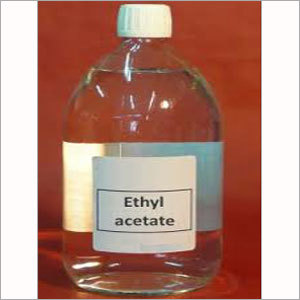
Ethyl Acetate
Application : Other , Solvent for paints, coatings, adhesives, inks, extraction processes
Product Type : Organic Chemical
Purity : 99.8%
Physical Form : Liquid
Grade : Industrial Grade
Storage : Other, Store in a cool, dry, wellventilated area; keep container tightly closed
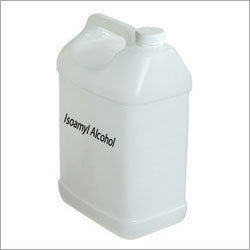
Isoamyl Alcohol
Application : Other , Used in pharmaceuticals, flavors, fragrances, laboratory reagents
Product Type : Chemical
Purity : 99% min
Physical Form : Liquid
Grade : Industrial Grade
Storage : Other, Store in a cool, wellventilated area, away from heat and sources of ignition
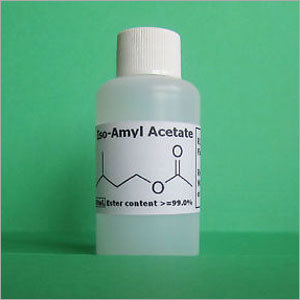
Amyl Acetate
Application : Other , Solvent for paints; flavouring agent; printing inks; extraction processes
Product Type : Organic Chemical
Purity : 99%
Physical Form : Liquid
Grade : Industrial Grade
Storage : Other, Store in a cool, dry, wellventilated area away from sources of ignition


 Send Inquiry

54, JL & Part of 55 N, Industrial Area, Maxi Road,Ujjain - 456010, Madhya Pradesh, India

Mr. Saurabh Maru
(Partner)
Mobile :07313726422
 Send Inquiry
Developed and Managed by Infocom Network Private Limited.
 English
 Spanish
 French
 German
 Italian
 Chinese (Simplified)
 Japanese
 Korean
 Arabic
 Portuguese