
Call us now :07313726422
 Send Inquiry
 Send Inquiry
Acetone Solvent
Acetone Solvent Specification
- Ph Level
- Neutral
- Density
- 0.791 Gram per cubic centimeter(g/cm3)
- Molecular Weight
- 58.08 g/mol
- Appearance
- Clear, Colorless Liquid
- Solubility
- Miscible with water and most organic solvents
- Storage Instructions
- Store in a cool, well-ventilated area, away from direct sunlight and sources of ignition
- Odour
- Characteristic, Sweet
- Chemical Name
- Acetone
- Other Names
- Propane-2-one, Dimethyl ketone
- Classification
- Organic Solvent
- CAS No
- 67-64-1
- Type
- Industrial Chemical
- Application
- Cleaning Agent, Degreaser, Paint Thinner, Laboratory Reagent
- Application Method
- Direct Use, Dilution
- Raw Material
- Petrochemical Derivative
- Physical State
- Liquid
- Usage
- Solvent for various industries including pharmaceuticals, cosmetics, and paints
- Shelf Life
- 24 Months
- Purity(%)
- 99.5%
- Drying Time
- Rapid Evaporation: <5 Minutes (at room temperature)
- Best Before
- 2 Years from Packaging
- Boiling Point
- 56C
- UN Number
- UN1090
- Auto Ignition Temperature
- 465C
- Viscosity
- 0.32 mPas at 25C
- Hazard Information
- Highly Flammable, Irritant
- Refractive Index
- 1.3588
- HS Code
- 29141100
- Melting Point
- -94.7C
- Packaging Type
- Plastic Drum, Steel Drum, HDPE Container, Bottles
- Vapor Pressure
- 24 kPa at 20C
- Flash Point
- -20C
Acetone Solvent About
We are one of the renowned manufacturers, exporters, and suppliers of a wide range of Acetone Solvent at affordable prices. It is a colorless, flammable and volatile liquid with the chemical formula (CH3)2CO. This solvent is miscible with water and is used for cleaning purposes in the laboratory after various experiments. Acetone has excellent dissolving action for various plastics and fibers as well as is used in pharmaceutical industry. It is also used as a volatile component in some paints, enamels and varnishes. Acetone Solvent is extremely helpful in the safe transportation and storage of acetylene, which cannot be pressurized safely in its pure form.
Key Points:
-
Prevents the surface from damage
-
Evaporates quickly without leaving any trace
-
Optimum purity and consistency
Exceptional Solvent with Fast Evaporation
Acetone stands out due to its rapid evaporation ratetypically drying in less than five minutes at room temperature. This makes it ideal for applications where quick surface preparation or residue-free cleaning is required, delivering outstanding efficiency in industrial and laboratory settings.
Safety and Storage Guidelines
Given its high flammability, acetone should be stored in cool, well-ventilated areas, isolated from direct sunlight and sources of ignition. Packaging options such as plastic drums, steel drums, and HDPE bottles ensure both convenience and safety during storage and transportation.
Wide-Ranging Industrial Applications
Thanks to its excellent solvency and neutral pH, acetone is widely utilized in industries like pharmaceuticals, cosmetics, and paints. It is a preferred option for cleaning, degreasing, thinning paints, and serving as a laboratory reagent. Its reliability and purity make it indispensable for diverse commercial uses.
FAQs of Acetone Solvent:
Q: How should acetone solvent be safely stored and handled?
A: Acetone must be stored in a cool, well-ventilated environment, away from direct sunlight, heat sources, and open flames due to its high flammability. Use appropriate containers such as plastic drums, steel drums, or HDPE bottles, and ensure tight sealing to prevent vapor leaks. Handle with protective equipment to avoid irritation.Q: What are the primary benefits of using acetone in industrial applications?
A: Acetone offers rapid evaporation, excellent solvency, and is miscible with water and most organic solvents. This makes it highly effective for cleaning, degreasing, thinning paints, and as a reagent in laboratories. Its fast drying time and high purity enhance process efficiency and quality.Q: When is acetone the preferred solvent over alternatives?
A: Acetone is favored when rapid drying and powerful solvency are required, such as in surface preparation, cleaning glassware, removing grease, or thinning certain paints. Its compatibility with numerous materials also increases its utility in pharmaceuticals, cosmetics, and chemical manufacturing.Q: Where can acetone be effectively used within industry?
A: Acetone is widely employed in sectors including pharmaceuticals, cosmetics, and paint manufacturing, as well as laboratories. It serves as a cleaning agent, paint thinner, degreaser, and reagent, delivering effective results in various production and maintenance processes.Q: What is the process for using acetone as a cleaning agent?
A: To use acetone for cleaning, apply it directly to the surface or dilute as required for the specific task. Allow it to act for a short time due to its rapid evaporation, then wipe away any residues. Always ensure good ventilation and wear suitable protective gear to avoid inhalation or skin contact.Q: How does acetones rapid drying time provide an advantage in use?
A: The quick evaporation timeless than five minutes at room temperaturemeans workpieces or surfaces are ready for subsequent steps almost immediately. This boosts throughput and reduces wait times in industrial and laboratory workflows, enhancing overall productivity.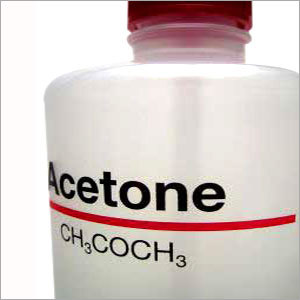
Tell us about your requirement

Price:
Quantity
Select Unit
- 50
- 100
- 200
- 250
- 500
- 1000+
Additional detail
Mobile number
Email

More Products in Solvents Category
Polyurethane Solvents
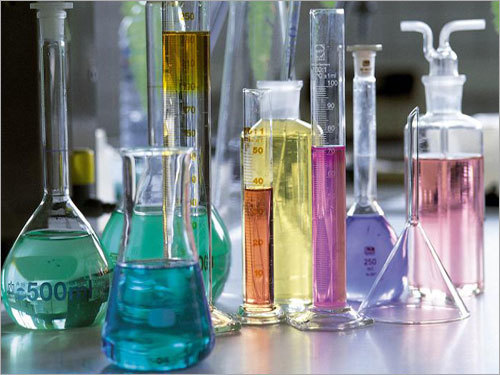
Chemical Name : Polyurethane Solvents
Other Names : PU Solvents
Shelf Life : 12 Months
Application : Used as solvent in polyurethane coatings, adhesives, and elastomers
Raw Material : Polyurethane compatible chemicals
Density : 0.95 Gram per cubic centimeter(g/cm3)
MDC (Dichloromethane)
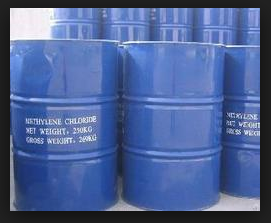
Chemical Name : Dichloromethane
Other Names : Methylene chloride
Shelf Life : 2 years
Application : Industrial cleaning pharmaceutical manufacturing and chemical synthesis
Raw Material : Chloromethane synthesis
Density : 1.33 Gram per cubic centimeter(g/cm3)
MTBE
Chemical Name : Methyl TertiaryButyl Ether
Other Names : MTBE tertButyl methyl ether
Shelf Life : Stable under recommended storage conditions
Application : Used as a fuel additive to increase octane and reduce engine knocking
Raw Material : Methanol and Isobutylene
Density : 0.740 Gram per cubic centimeter(g/cm3)

Recovered Solvents
Chemical Name : Recovered Solvents
Other Names : Recovered Solvents
Shelf Life : 1 Years
Application : Industrial Equipment Cleaning


 Send Inquiry

54, JL & Part of 55 N, Industrial Area, Maxi Road,Ujjain - 456010, Madhya Pradesh, India

Mr. Saurabh Maru
(Partner)
Mobile :07313726422
 Send Inquiry
Developed and Managed by Infocom Network Private Limited.
 English
 Spanish
 French
 German
 Italian
 Chinese (Simplified)
 Japanese
 Korean
 Arabic
 Portuguese